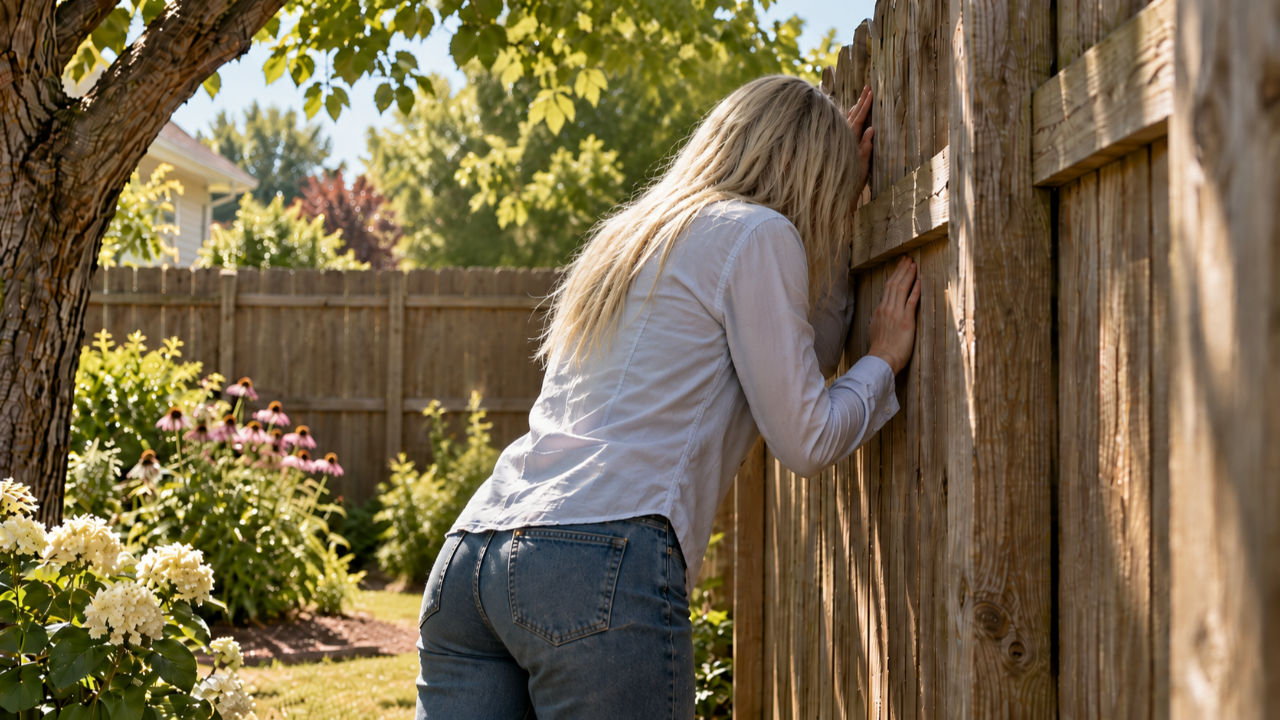
Bailey had memorized the number because writing it down wasn’t safe. Roy checked everything, and a scrap of paper tucked into the wrong place could become its own kind of danger. But memorizing a number and being able to use it were two very different things. Bailey didn’t have access to a phone. She couldn’t wait for Roy to leave the room, make a quick call, and hope he didn’t notice. If anyone was going to reach her brother, someone else would have to do it for her.
That meant Bailey had to do something that frightened her almost as much as leaving the house did. She had to trust someone.
In Passing Through Sorrow, that person was her neighbor, Ana. Bailey didn’t hand her a carefully constructed escape plan or explain every detail of what had happened behind closed doors. She asked Ana to make a call she couldn’t make herself. That small act of trust carried years of fear inside it, because when someone has spent a long time controlling what you say, who you speak to, and what happens when you disobey, asking for help isn't a simple conversation. It's a risk.
Leaving Starts Long Before the Door Opens
People often talk about leaving an abusive relationship as if it begins with a decision: one moment of clarity, one surge of courage, one packed bag. But the reality is usually much quieter. The leaving often starts in the mind long before it happens anywhere else.
A woman may spend months or years learning how to survive the person she lives with. She knows which questions are safe, which moods require silence, which expressions are noticed, and which tiny changes in the room mean trouble is coming. That kind of vigilance becomes instinct. It keeps her alive, but it also teaches her to fear anything unpredictable.
Reaching out is unpredictable.
What if the person she tells doesn’t believe her? What if they tell her husband? What if they confront him? What if they make everything worse? What if she is wrong about the situation, wrong about the danger, wrong about herself?
Abuse doesn’t only make a woman afraid of the person hurting her. It can make her afraid of her own judgment.
That is why asking for help can take so much courage. She isn’t simply telling someone a secret. She is stepping outside the version of reality she has been forced to live inside.
She Needs Someone Outside His World
An abusive relationship can become a closed system. Over time, the abuser may define everyone around his partner for her. Her family is interfering. Her friends are disloyal. Her neighbor is nosy. Her church is judgmental. The coworker who asks questions is trying to cause trouble. Piece by piece, the world outside him becomes less trustworthy.
Eventually, she may believe that the only person she can safely rely on is the same person hurting her.
Breaking that isolation usually doesn’t begin with a dramatic rescue. It begins with one person who exists outside his control. Someone who doesn't report back to him, explain her away, or immediately take over when she finally speaks.
That person might be a neighbor, a family member, an old friend, a coworker, an advocate, or someone from church. The relationship itself matters less than the safety inside it. She needs someone who can hear what she says without turning her life into a spectacle or making choices for her before she is ready.
Bailey had Ana.
What happened because of that trust belongs in the book, but the first step matters on its own. Bailey let someone else know that she needed help.
Trust Is Hard When You’ve Been Taught Not to Trust Yourself
One of the cruelest parts of abuse is the way it can erode a person’s confidence in her own perception. If she is told often enough that she overreacts, remembers things incorrectly, causes the problems, or misunderstands what really happened, eventually she may stop trusting the voice inside her that says something is wrong.
That uncertainty can follow her even when she reaches out.
She may minimize what happened while she is telling you. She may defend him in the middle of describing something frightening. She might change the subject, laugh something off, or insist that it really isn’t that bad. The next day she may act as if the conversation never happened.
Those contradictions can be confusing to the person listening, but they don't automatically mean she lied or changed her mind. They may mean she is terrified that someone else now knows.
Living under control teaches a person to expect consequences. Trust takes time because she has learned that openness is dangerous.
If she gives you a piece of the truth, handle it carefully.
Courage Doesn’t Always Begin With Self-Preservation
There are times when a woman can endure things happening to her that she cannot tolerate when someone else becomes vulnerable. That doesn't mean her own life matters less. It may mean she has been taught for so long that her pain is unimportant that protecting herself feels harder than protecting someone else.
Abuse can distort value. Her suffering becomes something she is expected to absorb. Her fear becomes inconvenient. Her needs become selfish. But when another person is at risk, something can shift. The question is no longer whether she deserves help. It becomes whether she can allow someone else to be harmed.
That kind of moment can break through years of conditioning.
Courage doesn't always arrive as confidence. It may arrive as one clear thought: I cannot let this continue.
That may be enough to make the first move.
Asking for Help Doesn't Mean She Has an Escape Plan
Another reason “just leave” is such an inadequate response is that leaving requires more than desire. There may be transportation to arrange, money to find, documents to secure, medication to take, children or pets to protect, and a safe place to go. If she has been watched closely, she may have no private way to make calls, search for resources, or prepare without being discovered.
Someone outside the relationship can make those practical things possible.
A trusted person can gather information, hold belongings, contact family members, arrange transportation, keep copies of important documents, or simply be available when the time comes. None of that requires taking control away from the woman who is leaving. In fact, the most important help may be the kind that gives choices back to someone who has had very few.
Bailey couldn't make the call herself. Asking Ana to do it gave her access to something Roy had taken away: connection.
What Happens After She Finally Tells Someone
People sometimes imagine that the moment a woman asks for help, relief follows.
Fear may come first.
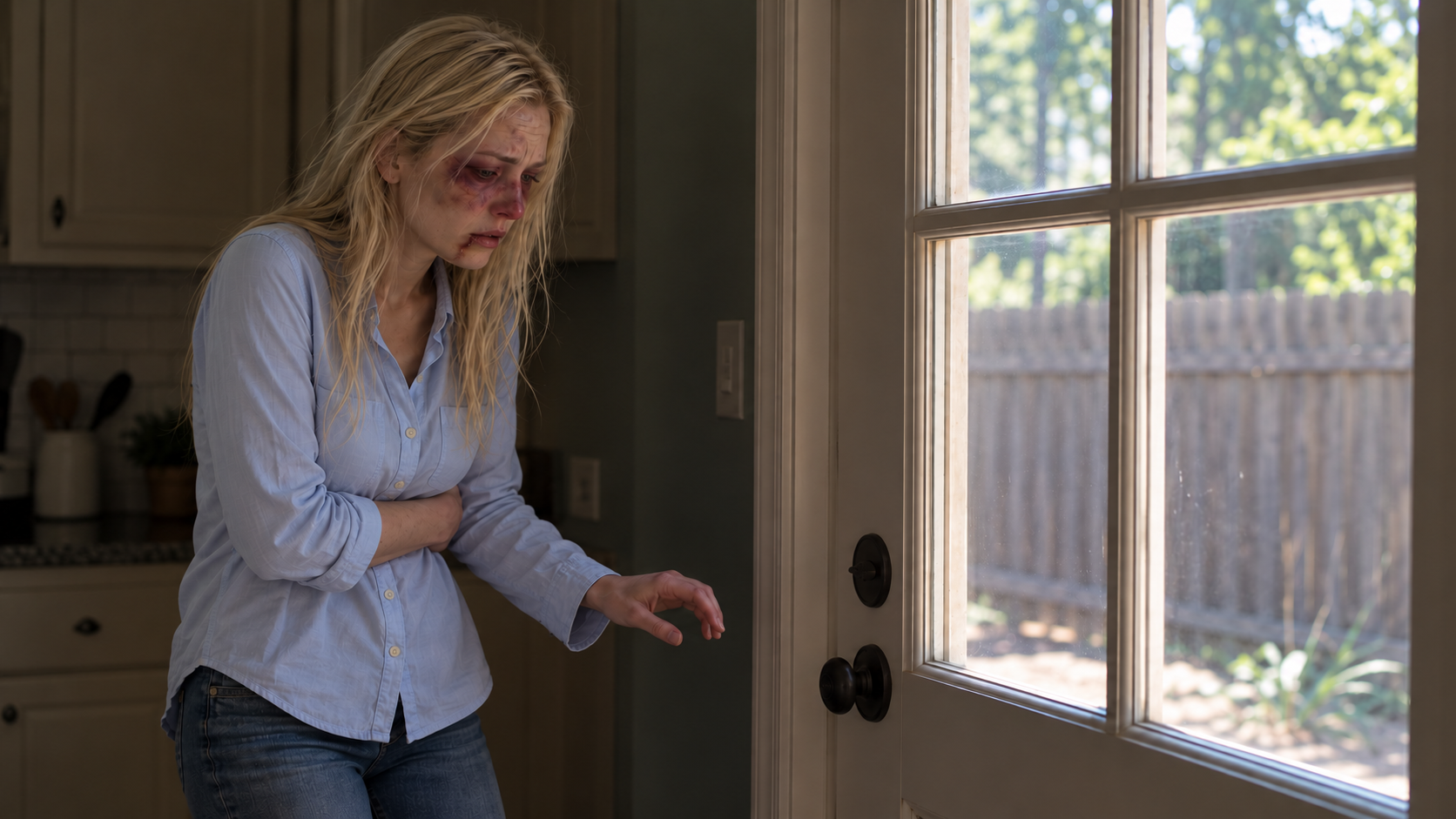
Now someone knows. The secret has left the house. Another person could be seen, overheard, questioned, or approached. The woman who finally reached out may suddenly feel exposed in a way she didn't before. Every survival instinct she has developed can begin warning her that she has made a terrible mistake.
She may pull away from the person she trusted. She might insist that things have improved or say she overreacted. She may be frightened enough to try to shut the door she just opened.
That is why consistency matters.
A safe person doesn't punish her for being afraid. They don't say, “I tried to help you, but you wouldn’t listen.” They remain steady enough that when she reaches again, the door is still there.
If Someone You Love Asks for Help
The instinct to fix everything can be powerful when someone you care about finally tells you she is being hurt. You may want to confront him, call the police, pack her belongings, or tell her exactly what she needs to do.
But a woman living under coercive control has already had someone making her choices for her.
She needs safety, not another form of control.
Listen first. Believe that what she is describing may be more complicated than what you can see from the outside. Ask what she needs instead of deciding for her. If there's immediate danger, emergency intervention may be necessary, but outside of that, giving her room to think and choose can be an important part of helping her regain what abuse has taken from her.
A simple question can do more than a lecture ever will.
“What do you need from me?”
Then be quiet long enough to hear the answer.
If You Are the One Trying to Ask
You may not have a plan yet. You may not know whether you are ready to leave. You may not even know what to call what is happening in your home.
You don't have to solve the entire future before you speak.
Start with one safe person.
You can say, “Things aren’t okay at home.” You can say, “I don’t know what to do.” You can say, “I need help.”
You don't have to tell the entire story in one conversation, and you don't have to prove your pain before you are allowed to ask questions about safety.
If speaking with someone you know doesn't feel safe, the National Domestic Violence Hotline offers confidential support and safety planning. Call 1-800-799-SAFE (7233) or text START to 88788.
The first step may be smaller than you think.
The Courage Was in Asking
Bailey didn't pick up a phone and make the call herself. She couldn’t.
Her act of courage was trusting Ana enough to ask her to do what Bailey couldn't.
I think that matters because courage is often portrayed as something dramatic. Running. Fighting. Escaping. Walking away without looking back.
Real courage can look much quieter.
It can look like memorizing a phone number because writing it down is too dangerous. Watching someone for months and deciding she might be trustworthy. Standing close enough to whisper something you've never dared say aloud.
It can look like admitting that you cannot do this alone.
That is not weakness.
That is where something new can begin.
If this series changes one question, I hope it's this: instead of asking, “Why doesn’t she leave?” ask, “What does she need in order to ask for help?”
Then become someone she could trust with the answer.
This is Post 5 of 6 in the "Why She Stayed" series. Next month: She Got Out — Then What? The Long Road Back to Herself After an Abusive Relationship
Didn't read Post 1? Go back: Why She Stayed: The Truth About Leaving an Abusive Marriage Nobody Talks About
Stay connected with the Becoming More magazine!
Discover a world of inspiration and transformation with Becoming More Magazine! Unlock expert tips on personal growth, family enrichment, and life coaching.
We hate SPAM. We will never sell your information, for any reason.