You know you’re supposed to have choice.
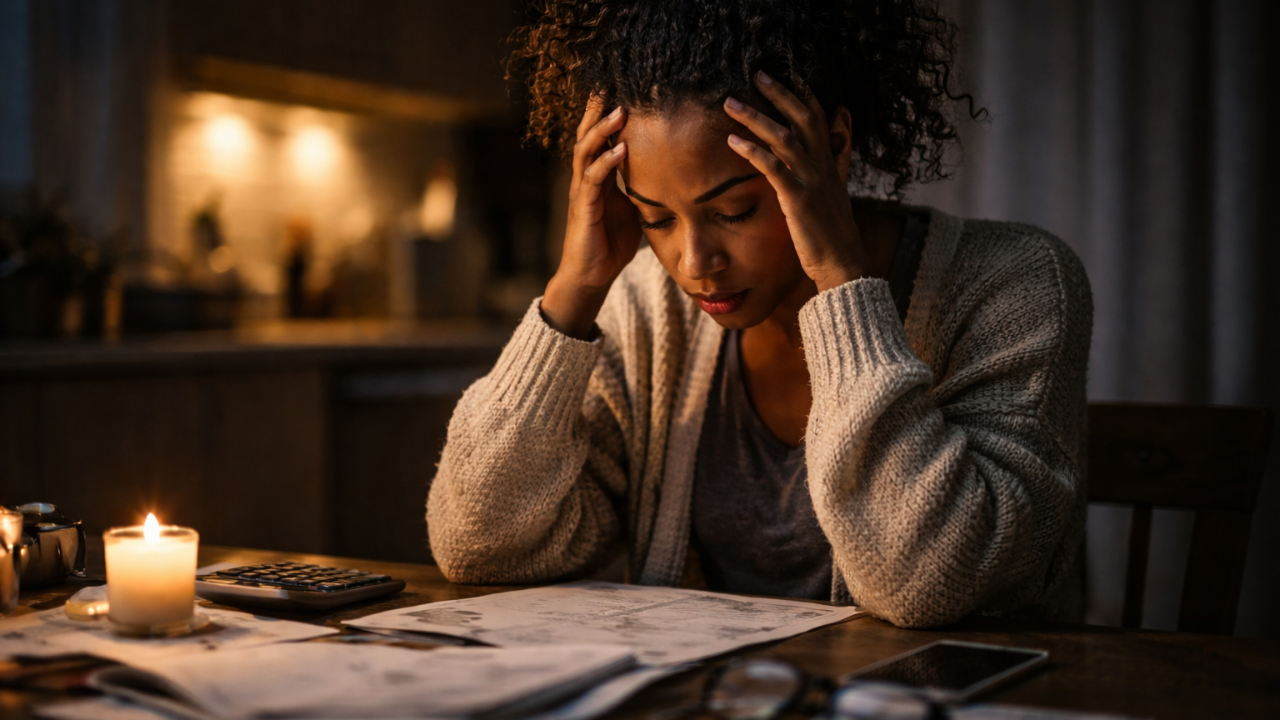
You hear it all the time—you’re responsible for your decisions, you’re in control of your life, you can choose differently. And yet when something goes wrong, it rarely feels that clean. It feels like life blindsides you. Like circumstances, other people, or systems you didn’t design suddenly decide everything for you.

So the question forms quietly:
If I have agency, why does it feel like I don’t?
Understanding agency through human behavior offers a more grounded answer than surface-level encouragement ever can.
Chase Hughes teaches that agency isn’t just about making choices. It’s about having the internal clarity and capacity to act intentionally—especially under pressure. And most people lose that capacity far more often than they realize.
Your brain is constantly scanning for safety, belonging, and certainty. When those feel threatened, your nervous system takes over. You stop choosing consciously and start reacting. Compliance replaces intention. Avoidance replaces discernment. Survival overrides agency.
This is why manipulation works.
When someone exploits fear, urgency, shame, or the desire to belong, they don’t need to take your agency away. You give it up automatically to reduce discomfort. The choice still exists—but it narrows. You don’t feel free. You feel compelled.
What’s happening here reveals weakness—not as a flaw, but as a reality of being human. When fear, urgency, or the need to belong override clarity, it shows where your internal capacity is limited under pressure. That limitation shows where stress narrows perception, where discomfort drives behavior, and where reaction replaces intention. Seeing that weakness clearly—without blame or shame—is what makes change possible. You can’t strengthen what you can't or won't acknowledge.
Hughes explains that most people operate on borrowed authority—social pressure, perceived expectations, emotional leverage—rather than self-generated agency. When you’re tired, overwhelmed, isolated, or uncertain, your ability to act deliberately drops. In those moments, outside influence fills the gap.
Agency, then, isn’t static. It’s a chose and a skill.
It grows when you slow down enough to notice what’s happening inside you before you respond. It strengthens when you tolerate discomfort instead of rushing to escape it. It returns when you ask, What am I being pushed toward right now—and why?
Bad things don’t only happen because of fate or chance. They often happen because agency gets compromised—by fear, by pressure, by systems designed to overwhelm rather than empower. Not every outcome is preventable. Everything that happens can teach you something—even when the lesson is painful. Sometimes the lesson is how manipulation works. Sometimes it’s where your boundaries are weakest. Sometimes it’s simply learning what can wound you so you can protect yourself more wisely next time.
Understanding how agency erodes doesn’t erase hardship. But it gives meaning to it.
It gives you awareness.
And awareness is where agency begins again.
Not by controlling the world—but by reclaiming the moment between stimulus and response. That space is small. But it’s where choice lives.
And that choice, practiced consistently, changes more than circumstances.
It changes you.
Stay connected with the Becoming More magazine!
Discover a world of inspiration and transformation with Becoming More Magazine! Unlock expert tips on personal growth, family enrichment, and life coaching.
We hate SPAM. We will never sell your information, for any reason.