The Walmart Trip Was Her Freedom: What Isolation Really Looks Like in a Toxic Relationship
Feb 01, 2019
Imagine this.
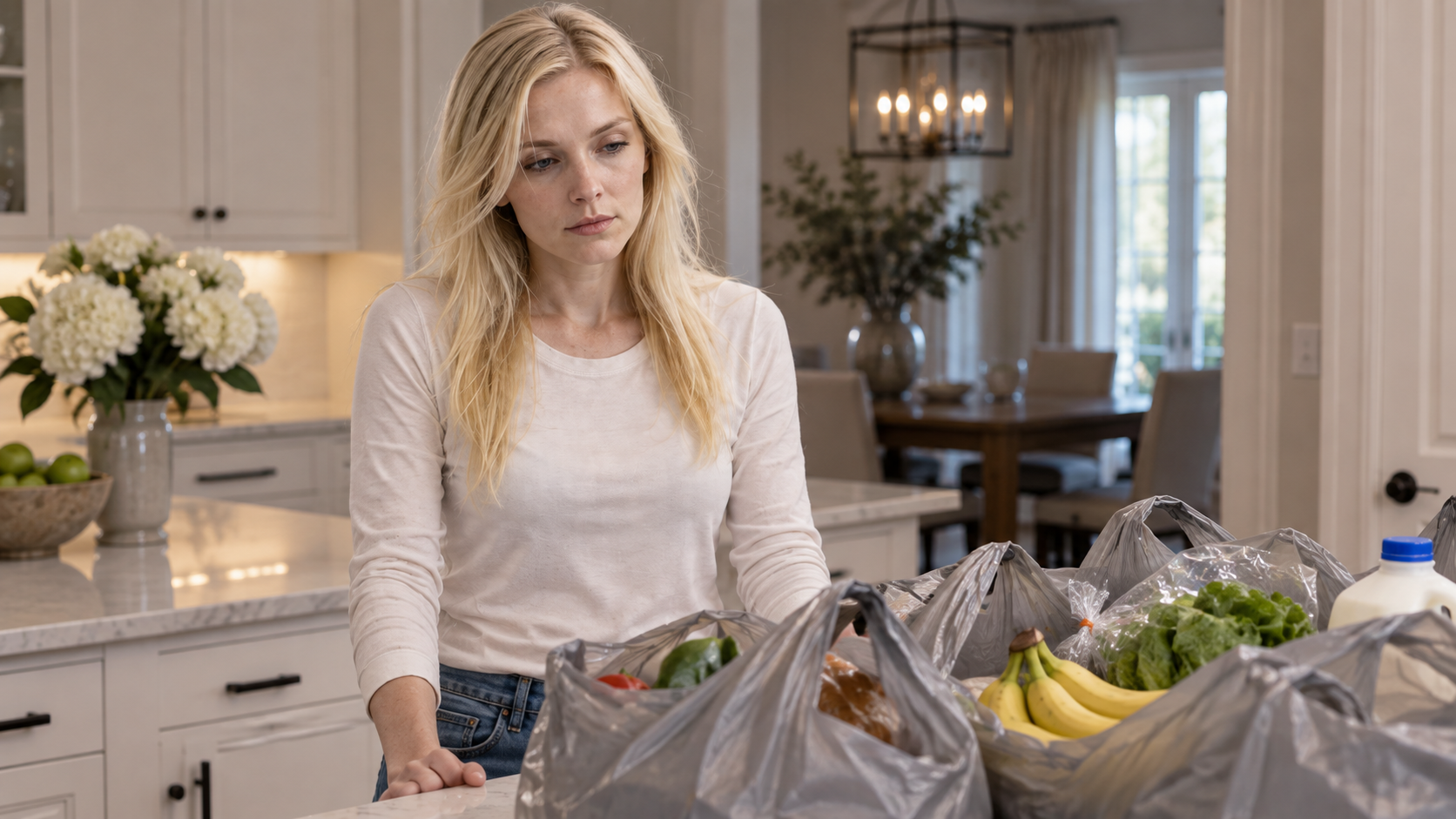
You get one trip outside the house per month. Sometimes two, if he's in a good mood. You go to Walmart. You walk the aisles. You see other people — real people, living real lives, arguing about cereal and laughing at birthday cards and holding hands in the produce section. And for forty-five minutes, you remember what normal feels like.
Then you go home. And normal disappears.
In my novel, Passing Through Sorrow, this is Bailey Simmons' life. Not a dramatic, movie-scene kind of prison. A Walmart-trip kind of prison. The kind where the cage doesn't have bars — it has schedules. Permissions. Rules that look like routines and routines that feel like rules.
And here's the thing that makes this kind of isolation so insidious: it doesn't look like abuse. Not from the outside. Not even always from the inside, at first.
The Slow Disappearance
For most people, isolation in a toxic relationship doesn't happen overnight. It happens the way a sunset happens — so gradually you don't notice the light changing until suddenly it's dark and you can't remember when the sky was blue.
First, the friends drift away. Not because he tells you to stop seeing them — not at first. He just makes it inconvenient. He doesn't like them. He feels uncomfortable at gatherings. He'd rather it just be the two of you. And because you love him, or want to, or need to keep the peace, you choose him. Over and over, you choose him.
Then the family. Phone calls get shorter. Visits get rare. He has opinions about your mother, your sister, your brother. Nothing overt. Just enough friction to make maintaining the relationship feel like work. And when you're already exhausted from managing his moods, work feels impossible.
Then the activities. The job you loved becomes "too stressful." The church you attended becomes "too judgmental." The book club, the gym, the volunteer work — one by one, they fall away. Not because you lost interest, but because each one required energy you no longer have, and each one became a point of conflict that wasn't worth the fight.
Until one day, you look around, and there's no one left. Just him. And the four walls. And the occasional trip to Walmart.
Why the Small Permissions Are the Most Dangerous
Here's what most people miss: the abuser doesn't take everything. If he took everything, you'd leave. Or you'd collapse, and a collapsed victim can't function. He needs you functional. He needs you to cook, clean, perform normalcy for the neighbors, and maintain the fiction that everything is fine.
So he gives you small things. A trip to the store. A book to read. Maybe a phone call with your mother— supervised, timed, scripted. And these small permissions become your whole world. You cling to them. You look forward to them with a desperation that would look insane from the outside. But from the inside, they're oxygen.
Bailey was allowed one new book a month if she obeyed well. One. She chose Dee Henderson and Tracy Hunter Abramson — Christian romantic suspense authors who wrote about women in danger finding faith and love. And those books weren't just entertainment. They were a lifeline. They were the only connection she had to a world where someone might fight for her, where danger had an end, where faith survived the dark.
When you're that isolated, fiction isn't an escape. It's a witness. It's someone saying, "I see what you're going through. You're not crazy. This is real. And there's a way out."
What Isolation Looks Like From the Outside
If you're watching someone you love disappear inside a relationship, here's what you might see:
She stops initiating contact. When you text, she responds — but the responses are shorter, more careful, more generic. Like someone editing themselves in real time.
She cancels plans. Always with a reason. He's not feeling well. Something came up. She's just tired. The reasons are reasonable. That's the point.
She changes. Not dramatically. But the light dims. The opinions soften. The laugh gets quieter. She starts echoing his views on things she used to feel differently about. She stops mentioning him. Not because she forgot — because mentioning him means explaining him, and explaining him means admitting something is wrong.
She smells like lemon and vanilla one day and you think maybe things are getting better. She was cheerful. Happy. And you hold onto that, because the alternative — that the cheerfulness is a performance, the happiness is a mask, and the lemon and vanilla is armor — is too painful to consider.
But consider it anyway. Because the women who need you most are the ones who look the most fine.
The Question That Breaks the Silence
Bailey's neighbor Ana watched her through the window for three years. Three years. She didn't intervene because she knew — she'd grown up with a father like Roy, and she knew that pushing too hard would make things worse. But she watched. Waited. Occasionally waved. She made sure Bailey knew she was seen.
And when Bailey finally reached out, Ana was ready.
Here's the thing about isolation: it only works if no one is watching. The moment someone sees — really sees — the spell starts to break. Not because the abuser loses power, but because the victim remembers she exists. That someone outside that house knows her name, knows her face, knows she's in there.
You don't have to break down the door. You just have to be the face at the window. The wave across the yard. The text that says, "Thinking about you. No need to reply." The invitation that stays open even when it's declined for the fifteenth time.
Isolation feeds on silence. Presence breaks it.
If you're in that house right now — if Walmart is your only freedom and one book a month is your only lifeline — I want you to hear something: you are not crazy. The small permissions are not kindness. The isolation is not love. And the fact that you're still here, still breathing, still reading — that's not weakness. That's endurance. And endurance is the first cousin of courage.
You don't have to leave today. But you can let someone see you. One text. One call. One word to the neighbor who keeps waving.
The National Domestic Violence Hotline is 1-800-799-7233. Text START to 88788.
And if you're the one watching — keep watching. Keep waving. Keep showing up. Because one day, she's going to need someone to call. And if you've been there all along, she'll know it's you.
This is Post 2 of 6 in the "Why She Stayed" series. Next month: When Your Husband Is the Police: Why Some Women Can't Call for Help.
Stay connected with the Becoming More magazine!
Discover a world of inspiration and transformation with Becoming More Magazine! Unlock expert tips on personal growth, family enrichment, and life coaching.
We hate SPAM. We will never sell your information, for any reason.